How the U Visa Builds Trust, Counters Fear, and Promotes Community Safety
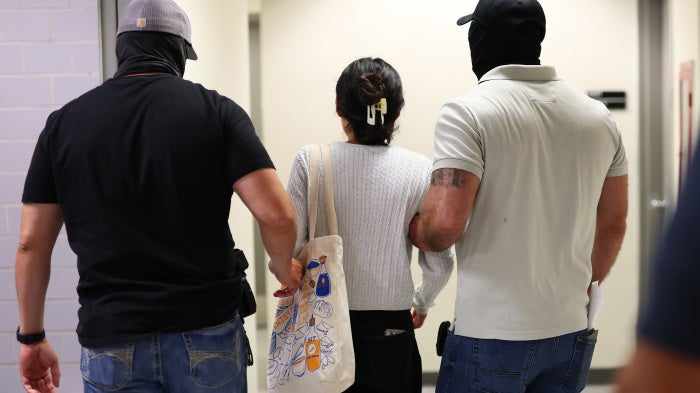
The 50-page report, “‘We Need U’: How the U Visa Builds Trust, Counters Fear, and Promotes Community Safety,” finds that the administration’s deportation policies undermine federal visa programs that provide a pathway for crime victims to obtain legal residency when they cooperate with law enforcement. Changed enforcement guidance, such as allowing Immigration Customs Enforcement (ICE) officials to apprehend people in previously safe places like courthouses and health centers, is a strong deterrent for immigrants who might otherwise report crime to police or seek a protective order.
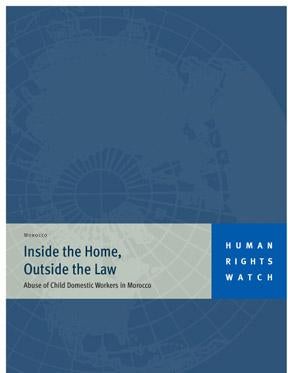
This 60-page report documents cases of girls as young as five working 100 or more hours per week, without rest breaks or days off, for as little as six and a half Moroccan dirhams (about 70 U.S. cents) a day.
Internally displaced persons in the aftermath of Operation Murambatsvina
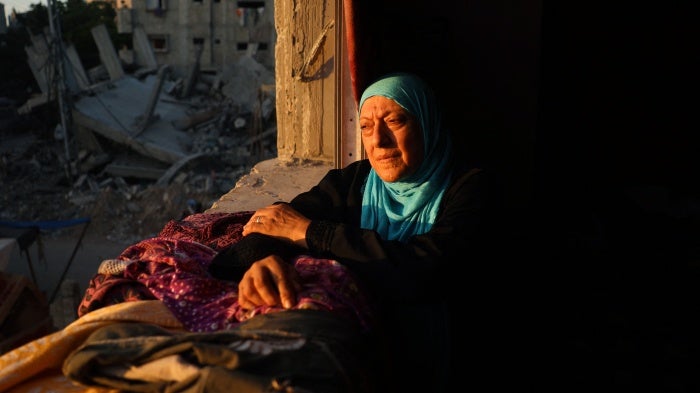
This 61-page report documents the government’s denial of assistance and protection to people internally displaced as a result of Operation Murambatsvina (“Clear the Filth”), which began in May. The report also examines the role of international agencies, and in particular the United Nations country team, in addressing the humanitarian crisis in Zimbabwe.
Rights Violations against Migrants and Asylum Seekers at the New Eastern Border of the European Union
This 77-page report documents the routine detention of migrants and asylum in appalling conditions, including severe overcrowding, frequently inadequate bedding and clothing, and little or no access to fresh air, exercise and medical treatment. The report also documents the physical abuse, verbal harassment, robbery and extortion suffered by those in detention.
Inadequate Protection for Refugees and Asylum Seekers in Johannesburg
This 66-page report documents how refugees and asylum seekers in South Africa’s largest city often encounter abuse by police and other obstacles throughout the refugee-status determination process. Asylum seekers and refugees in Johannesburg are often subjected to harassment, mistreatment and extortion by the police.
The Plight of Internally Displaced Persons in Bogotá and Cartagena
The families interviewed for this 60-page report described fleeing their homes after receiving threats, being subjected to torture, or seeing relatives or neighbors killed. When they flee their communities and seek shelter elsewhere, they may wait weeks or even months for emergency aid, are often denied medical care, and may be unable to enroll their children in schools.
This report is the most detailed study to date of abuses by insurgent groups. It systematically presents and debunks the arguments that some insurgent groups and their supporters use to justify unlawful attacks on civilians.
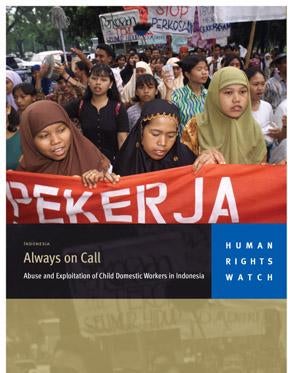
Abuse and Exploitation of Child Domestic Workers in Indonesia
This 74-page report documents how Indonesian children as young as 12 work 14 to 18 hours a day, seven days a week, without a day off. They are also forbidden from leaving their place of employment or contacting their families.
This briefing paper documents how the Sudanese security forces, including police deployed to protect displaced persons, and allied Janjaweed militias continue to commit rape and sexual violence on daily basis.
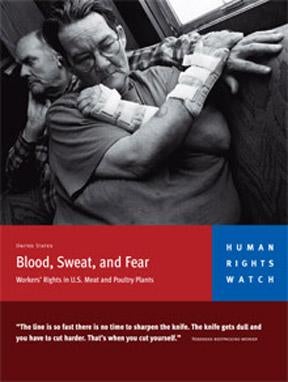
Workers in the U.S. meat and poultry industry endure unnecessarily hazardous work conditions, and the companies employing them often use illegal tactics to crush union organizing efforts. In meat and poultry plants across the United States, Human Rights Watch found that many workers face a real danger of losing a limb, or even their lives, in unsafe work conditions.
Since February 2003, Darfur has been the scene of massive crimes against civilians of particular ethnicities in the context of an internal conflict between the Sudanese government and a rebel insurgency. Almost two million people have been forcibly displaced and stripped of all their property and tens of thousands of people have been killed, raped or assaulted.
Human Rights Watch’s key concerns on Turkey for 2005
At its December 16-17 summit in Brussels, the European Council is expected to decide whether or not to open negotiations for Turkey’s full membership of the European Union. The decision follows the October 2004 evaluation by the European Commission that “Turkey sufficiently fulfils the political criteria” and its recommendation that accession negotiations be opened.
Turkish state forces violently and illegally displaced upwards of 380,000 Kurdish villagers in the 1990s during a conflict with the Kurdish Workers Party (PKK) in southeast Turkey. Turkey should stop fending off the legitimate involvement of international agencies and make a formal declaration to integrate them in its return plans.
This 35-page report documents how the Sudanese armed forces and the government-backed Janjaweed militias continue to target civilians and their livestock in villages in rural areas and in the towns and camps under government control. The report also analyzes Sudanese government pledges to rein in the militias, end impunity and restore security in Darfur.
Abuses against Female Migrant Domestic Workers in Indonesia and Malaysia
This 110-page report documents the abuse and exploitation that Indonesian female domestic workers experience at each step of the migration process. Most domestic workers are forbidden to leave their workplace and unknown numbers suffer psychological, physical, and sexual assault by labor agents and employers.